The dining room is more than just a place to eat—it’s where families gather, guests are welcomed, conversations flow, and sometimes, laptops open for a day’s work. Whether you have a separate formal dining area or a cozy dining nook in an open-plan layout, decorating this space thoughtfully can make it both beautiful and highly functional.
Let’s explore 10 effective ways to style your dining room so it becomes one of the most inviting and versatile areas in your home.
- Choose the Right Dining Table for Your Space and Lifestyle
The dining table is the heart of the room, so selecting the right size and shape is essential for both aesthetics and functionality.
- Round tables: Great for small rooms or square-shaped spaces. They encourage conversation and make it easier to move around in tight quarters.
- Rectangular tables: Ideal for longer rooms and larger families. They offer more seating and space for hosting guests.
- Expandable tables: Perfect for people who entertain occasionally. These can be extended when needed and folded down to save space on regular days.
- Material matters: Solid wood adds warmth, glass creates a modern and airy feel, and marble gives a luxurious touch.
Before buying, measure your room and leave at least 36 inches (90 cm) of clearance around the table for chairs and movement.
- Mix and Match Chairs to Add Personality
Uniform dining sets can look sleek, but mixing chair styles can give your room a designer, collected-over-time charm.
- Design tip: Use different shapes or styles, but keep color tones or materials consistent to maintain harmony.
- Upholstered head chairs: Add comfort and elegance when used at the ends of the table.
- Bench seating: A bench on one side of the table saves space and adds a casual, family-friendly feel.
This is a great way to express your personal style and make your dining room feel more dynamic.
- Use Rugs to Define the Dining Area and Add Warmth
An area rug under the table helps to visually anchor the space—especially in open-concept layouts—and adds texture and coziness.
- Size matters: The rug should be large enough so chairs can be pulled out while still remaining on the rug. A good rule of thumb is to add 24 inches (60 cm) to each side of your table.
- Material: Choose a flatweave or low-pile rug for easy cleaning. Natural fibers like jute or wool are durable and stylish.
- Design tip: Go for patterns or colors that complement your wall paint, furniture, or table centerpiece without overpowering the room.
A well-chosen rug makes the room feel complete and grounded.
- Focus on Lighting: Make It a Centerpiece
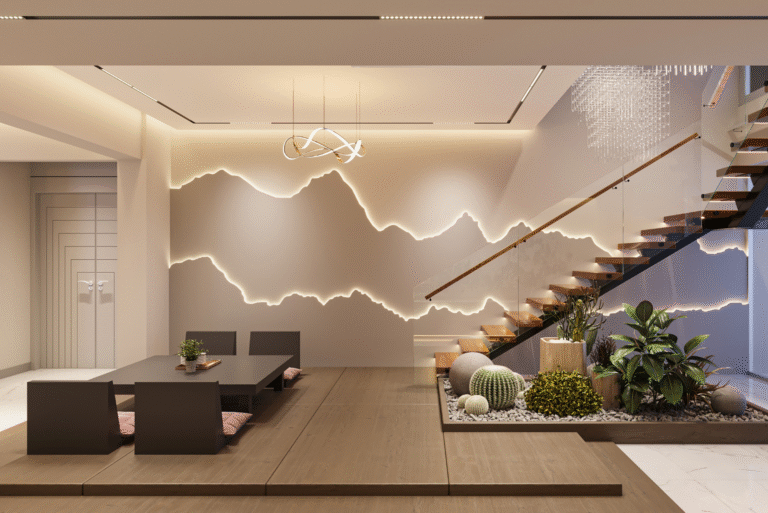
Lighting sets the mood and defines the dining room’s character. A bold light fixture can be both functional and artistic.
- Chandeliers and pendant lights: These create a strong visual focal point. For a modern look, go for geometric or minimalist metal designs; for traditional spaces, opt for crystal or brass finishes.
- Dimmers: Install a dimmer switch to easily shift from bright family dinners to soft, ambient lighting for dinner parties.
- Layered lighting: Combine overhead fixtures with wall sconces or candles to add depth and create a cozy atmosphere.
Lighting is more than illumination—it’s the room’s jewelry.
- Add a Buffet or Sideboard for Extra Storage and Style
A buffet or sideboard is one of the most functional pieces you can add to your dining room.
- Storage: Great for storing extra plates, glassware, serving trays, or even board games.
- Surface space: Use it as a serving station during meals or parties. Top it with a few decorative items like vases, books, or a lamp when not in use.
- Design versatility: Choose a piece that complements your table—wood tones for a classic look or a painted finish for a pop of color.
If space allows, a buffet is both beautiful and practical.
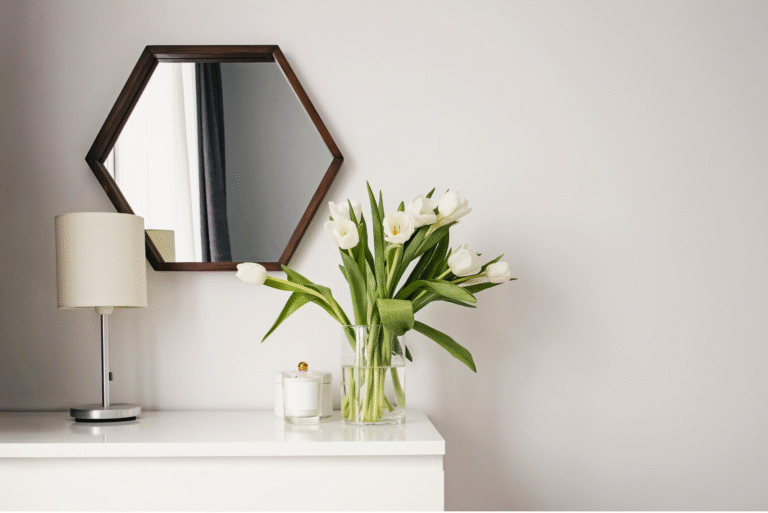
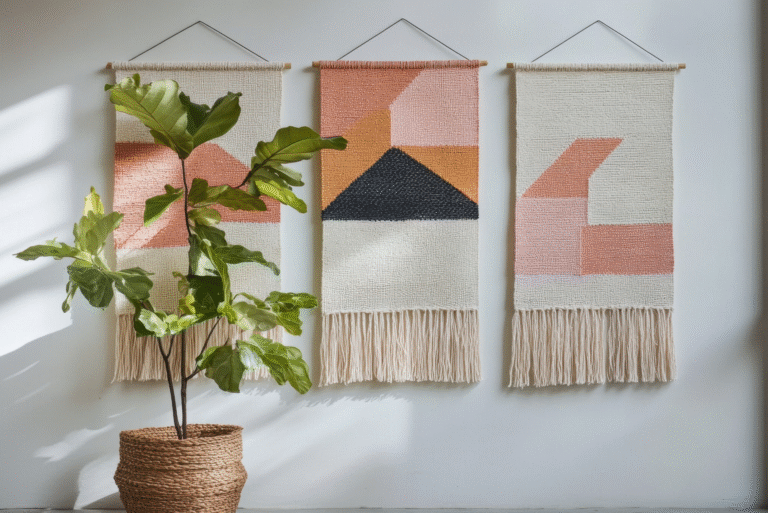
- Hang Wall Art or Mirrors to Enhance the Room’s Look
Bare walls can make your dining room feel unfinished. Art and mirrors add character, dimension, and visual interest.
- Art ideas: Framed prints, canvas paintings, or gallery walls that reflect your personality or theme. Abstract art or food-related prints work well.
- Mirrors: These bounce light and make the room appear larger—especially useful in small or darker dining areas.
- Gallery walls: Combine art, decorative plates, or even framed menus or handwritten recipes for a personal touch.
Well-placed wall decor brings life and warmth to the space.
- Keep the Space Clutter-Free with Smart Storage Solutions
A tidy dining room feels more spacious and welcoming, especially if the area is shared with other functions like a home office or homework zone.
- Closed cabinets or built-ins: These hide clutter while offering significant storage.
- Storage baskets or bins: Place under benches or in corners to stow placemats, chargers, or extra napkins.
- Minimal tabletop decor: Limit the number of items on your table or buffet to just a few purposeful and beautiful pieces.
Keeping the room organized helps maintain a calm and elegant atmosphere.
- Add Natural Elements for a Cozy, Inviting Feel
Incorporating natural textures adds a warm, grounded feeling to your dining room.
- Materials: Use wood for furniture, rattan for light fixtures or storage, and linen for table runners or curtains.
- Plants: Add potted greenery, a vase of eucalyptus, or a low-maintenance plant like a snake plant or pothos.
- Natural light: If possible, avoid heavy curtains. Use sheer drapes or Roman shades to let in sunlight during the day. Nature-inspired elements can balance out sharp angles and hard surfaces, making the room feel more relaxed and organic.
- Make It Multi-Functional Without Compromising Style
In today’s homes, especially smaller ones, dining rooms often double as workspaces, study areas, or craft zones. With the right choices, you can maintain style while maximizing function.
- Dual-purpose furniture: Look for extendable tables or sideboards that also function as desks or storage units.
- Hidden tech: Use cable organizers and tuck-away drawers to manage electronics if you work from the dining table.
- Storage baskets: Keep work items like laptops or books in stylish baskets that can be tucked away before meals.
Multi-functional design is all about flexibility—and keeping the space visually appealing no matter its use.
- Design a Simple Yet Impactful Table Centerpiece
A centerpiece ties the whole look together but doesn’t have to be elaborate or expensive.
- Fresh flowers: A small vase with seasonal blooms instantly brightens the room.
- Candles: Use pillar candles, tapered candlesticks, or tea lights for a warm, ambient glow.
- Bowls or trays: Fill with fruit, pinecones, decorative beads, or potpourri depending on the season.
The key is to keep it low enough so guests can see across the table and simple enough not to distract from meals or conversation.
Final Thoughts: Your Dining Room as a Daily Destination
With thoughtful design choices, your dining room can be much more than just a place to eat—it can become a multifunctional, welcoming environment that supports your lifestyle, impresses your guests, and brings your household together.
From choosing the right table and lighting to adding personal touches like wall art and natural materials, every detail contributes to a space that feels both beautiful and lived-in. And the best part? You don’t need a full renovation—just a little creativity and intention.