Basements and attics often go overlooked—used for storage, gathering dust, or simply forgotten. But with some thoughtful planning and creativity, these spaces can be completely transformed into stylish, functional extensions of your home. Whether you’re dreaming of a cozy guest bedroom, a private office, a gaming haven, a home theater, or even a tranquil reading nook, basements and attics hold huge untapped potential.
Let’s explore ten detailed steps to help you bring these underused areas to life.
- Define the Purpose — Start with Vision and Function
Before picking out paint colors or furniture, you need a clear vision for how you want to use the space. Will it serve as a:
- Guest bedroom for visitors?
- Home office or creative studio?
- Kids’ playroom or teen gaming lounge?
- Home gym or yoga studio?
- Quiet personal retreat or meditation room?
Clearly defining the purpose will guide every decision you make—layout, lighting, materials, furniture, and even color schemes. A gym will need open floor space and mirrors; a bedroom will need cozy bedding and storage; an office needs desks and task lighting.
Pro tip: Create a mood board with images, color palettes, and furniture ideas that match your intended vibe. Pinterest is a great starting point.
- Maximize Light — Brighten Up Dim Spaces
Both basements and attics often suffer from poor natural lighting. But you can still make the space feel open and airy with clever lighting techniques:
- Use light paint colors on walls and ceilings: soft whites, creams, light grays, or pastels help reflect light.
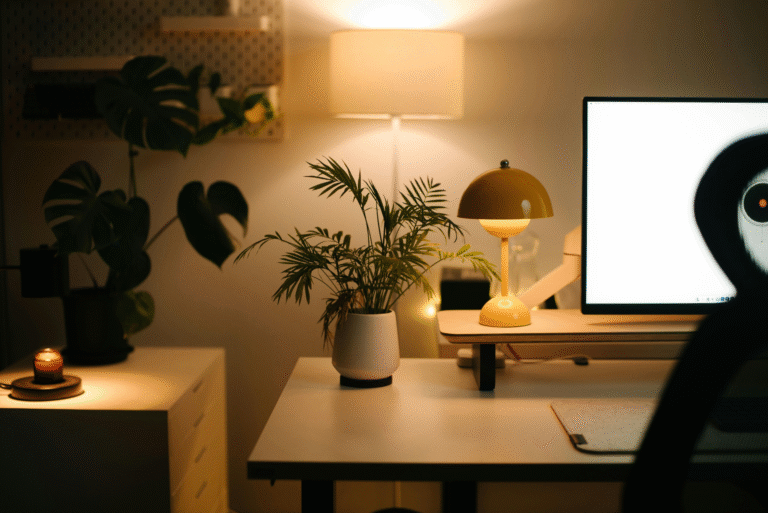
- Incorporate layered lighting: Mix ambient (ceiling fixtures), task (desk lamps), and accent lighting (LED strips, sconces, string lights).
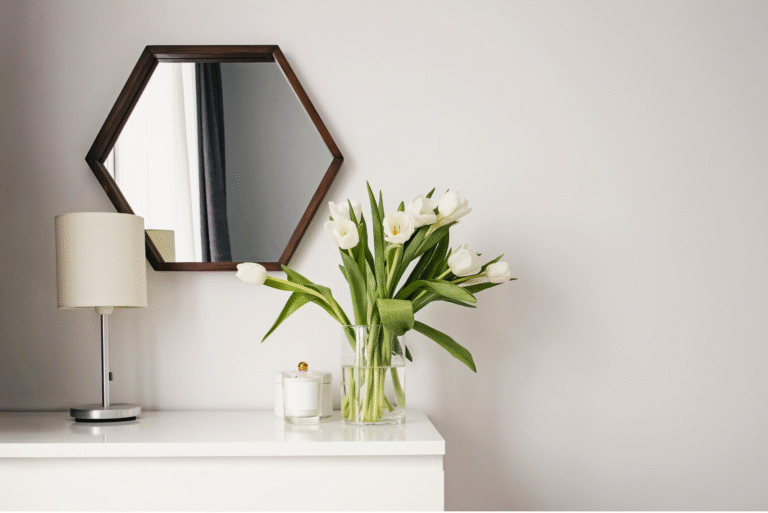
- Install mirrors strategically to reflect light and create the illusion of more space.
- Use glass doors or partitions if possible to allow light from adjacent rooms to filter through.
Lighting tip: Choose bulbs with a “daylight” color temperature (4000K–5000K) for basements to simulate natural light.
- Install Insulation and Flooring — Make the Space Truly Livable
Comfort is key. Most basements and attics weren’t originally designed for living, so insulation and proper flooring are essential for transforming them into livable environments.
- Insulation: Add thermal insulation to walls and ceilings to regulate temperature and reduce outside noise.
- Drywall installation: Creates a finished, clean surface for painting or wallpapering.
- Flooring: Use materials that are comfortable, durable, and appropriate for the space:
- Basements: Waterproof vinyl planks, luxury vinyl tiles (LVT), or sealed concrete with area rugs.
- Attics: Lightweight options like carpet tiles, laminate, or engineered wood.
Basement caution: Always check for moisture issues before installing flooring. A dehumidifier might be necessary.
- Add Built-In Storage — Maximize Awkward Corners
Basements and especially attics often feature odd shapes, low walls, or sloped ceilings. These can make standard furniture a challenge, but they’re perfect for built-ins and creative storage solutions.
- Custom shelving under eaves or stairs makes use of awkward angles.
- Low cabinets or drawers provide storage without dominating the room.
- Hidden storage benches or built-in window seats can double as seating.
- Vertical storage in basements with high ceilings can keep clutter off the floor.
Tip: Think in layers. Use the wall height, ceiling slope, and under-furniture space for storage.
- Use Rugs to Define Functional Areas
If your basement or attic is large and open, creating separate zones helps improve usability and flow. Area rugs are a simple, affordable way to define spaces without needing walls or dividers.
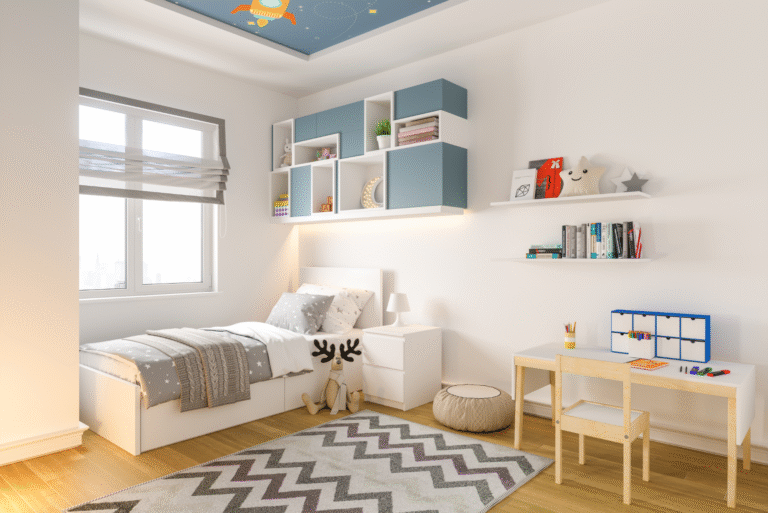
- A soft rug under a bed anchors a sleeping area.
- A textured rug in front of a couch marks a living or TV zone.
- A bright, patterned rug can highlight a kids’ play area.
- Use yoga mats or foam tiles to define a fitness corner.
You can also mix rug shapes—round, rectangular, layered—to add interest and variety.
- Cozy Textiles — Add Warmth and Comfort
Because these spaces are often cooler or less connected to the rest of the home, textiles are essential for adding coziness and warmth. They also help dampen noise and create a sense of relaxation.
- Layer plush blankets and faux fur throws on seating and beds.
- Add curtains or drapes, even if there are no windows—it softens the space visually.
- Include cushions, poufs, and beanbags for informal, flexible seating.
- Use fabric wall hangings or tapestries to cover awkward walls or make the space feel lived-in.
Material tip: Opt for breathable, washable materials like cotton, fleece, or wool blends for easy upkeep.
- Create a Focal Wall — Add Visual Impact
To avoid the space feeling like a blank, forgotten zone, add a focal point that draws the eye and adds personality. A welldesigned wall becomes a conversation piece and defines your style.
Options include:
- A bold painted accent wall in a deep navy, forest green, or terracotta.
- Peel-and-stick wallpaper with florals, geometrics, or murals.
- A gallery wall of family photos, posters, or framed art prints.
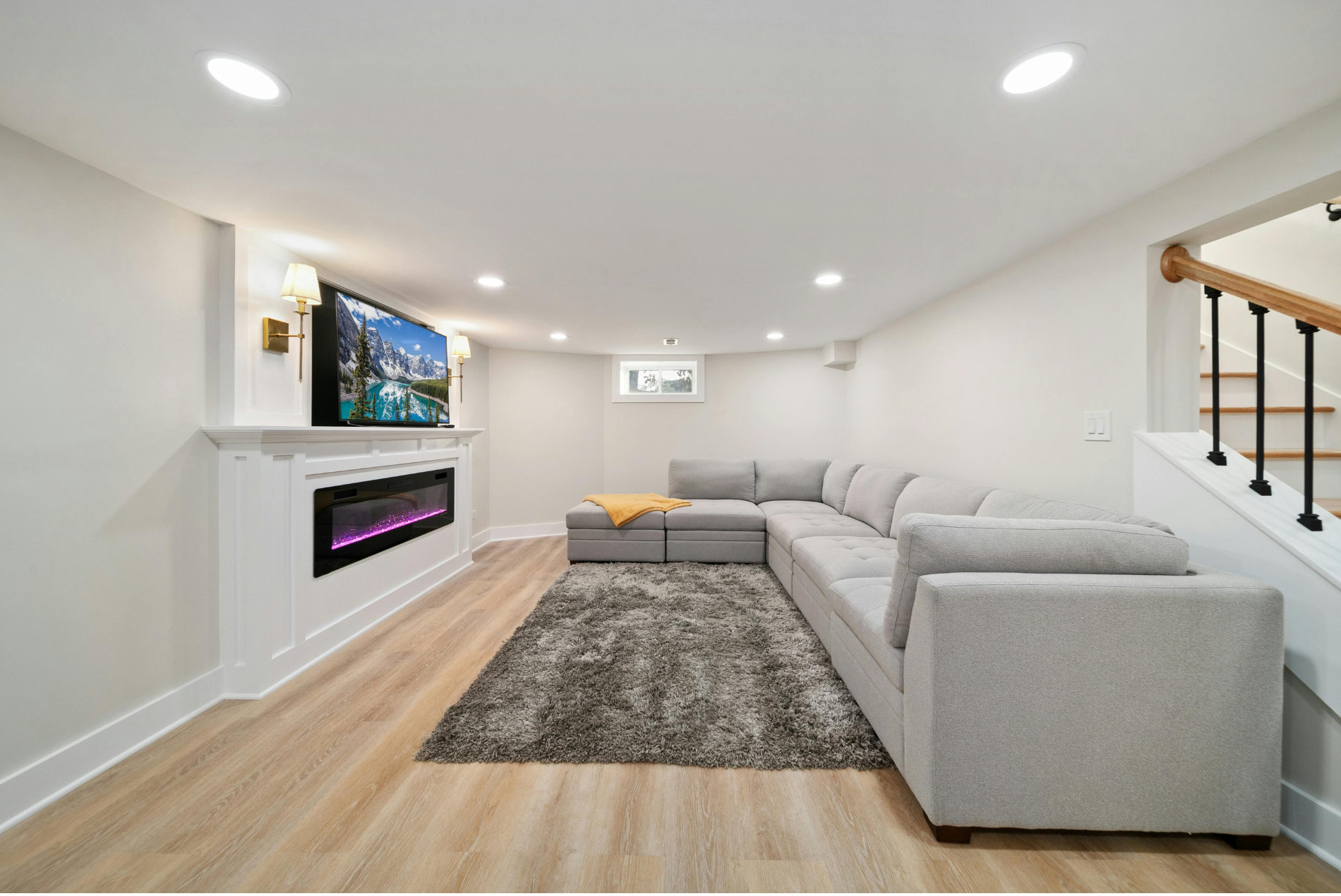
- A media wall with built-in shelves, a large TV, and LED lighting.
Design tip: Keep the focal point aligned with the room’s purpose. A fun comic mural for a playroom, a zen wall for a yoga space, or a minimalist art wall for a guest suite.
- Add Skylights or Window Treatments — Let the Light In
If your attic has slanted ceilings or an old dormer window, consider installing a skylight. Not only does it bring in natural light, but it also gives a sense of openness. Modern skylights can be installed with blackout blinds for full control.
For basements:
- Egress windows are a smart upgrade—they provide emergency exits and natural light.
- Window wells with clear covers allow sunlight in while keeping debris out.
- Use sheer or light-filtering curtains to soften light while maintaining privacy.
Bonus: A small corner with a window, a chair, and a plant becomes an instant reading nook.
- Use Low Furniture in Attics — Embrace the Ceiling Slope
Low ceilings and slanted walls can be a challenge in attics, but they also create a cozy, tucked-in feel if you use the right furniture. Choose:
- Platform beds or floor mattresses for sleeping areas.
- Floor cushions, poufs, or beanbags for relaxed seating.
- Low-profile sofas, coffee tables, and desks designed for small-space living.
- Modular or convertible furniture (e.g., a daybed that doubles as a sofa).
Keep taller furniture like wardrobes and bookcases on the tallest wall to balance the space visually.
- Personalize the Space — Make It Truly Yours
The final step is all about adding soul to the space. Personal touches turn a functional room into a warm, welcoming haven.
Consider adding:
- Indoor plants to bring life and color.
- Bookshelves with your favorite reads.
- Family photos, artwork, or framed posters to reflect your taste.
- Handmade décor like a macrame wall hanging or DIY candle holders.
- A signature scent with essential oil diffusers or candles.
No matter the purpose—be it work or relaxation—your attic or basement should feel like an extension of your personality and lifestyle.
🌟 Final Thoughts: Reimagine, Redesign, Reclaim
Your basement or attic doesn’t have to be an afterthought or a dumping ground. With a little imagination and some thoughtful upgrades, you can unlock its full potential and add not just square footage, but real quality of life.
Whether you’re seeking productivity, comfort, or pure escapism, these hidden spaces can be transformed into something beautiful and functional—reflecting your needs and your creativity.