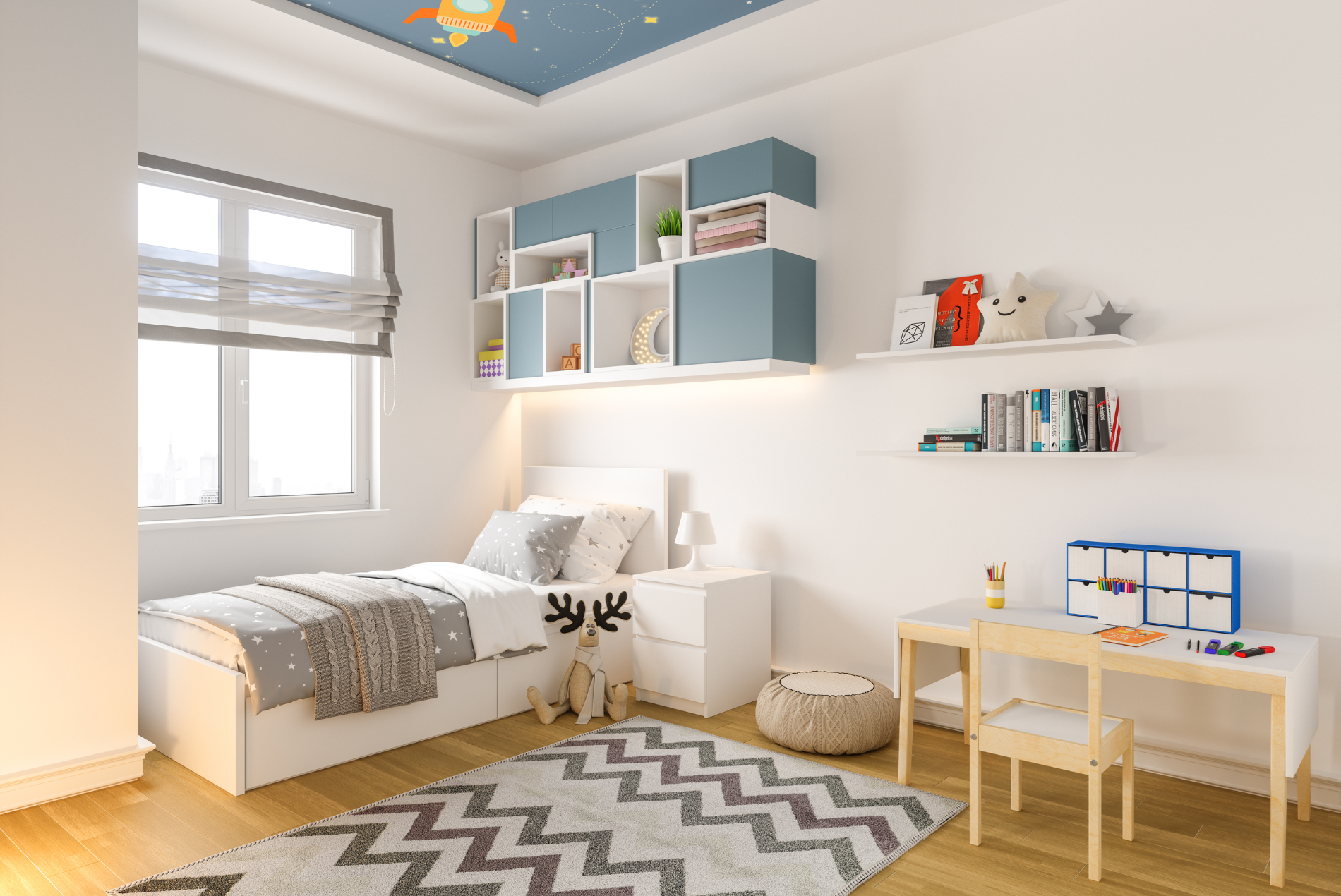
Designing a child’s room is more than just picking fun colors or cute decorations—it’s about creating a nurturing environment that grows with them. A well-designed kid’s room should inspire imagination, offer comfort, and provide functionality for everything from sleep to play to learning. Whether you have a toddler or a pre-teen, here’s how you can make the most out of your child’s room:
- Choose a Theme to Spark Creativity
Picking a theme adds excitement and unity to the space. Think beyond just pink or blue—there are endless creative possibilities. From outer space, safari animals, princess castles, dinosaurs, or even favorite cartoons, a theme helps guide your choices for wall art, bedding, toys, and decor.
- For toddlers, choose themes based on their interests—animals, cars, or fairy tales.
- For older kids, let them participate in choosing a theme that reflects their personality or hobbies.
- Keep the main pieces (like the bed and wardrobe) neutral so you can update accessories as they grow.
- Use thematic accessories like lamps, curtains, pillows, and even books to reinforce the theme.
Themes not only make rooms look attractive but also help kids feel a stronger sense of identity and imagination.
- Use Soft and Safe Furniture
Children are constantly moving, playing, and exploring. That’s why the furniture should not only be durable but also safe.
- Opt for rounded corners on tables and beds to reduce injury risk.
- Consider furniture made of lightweight, non-toxic materials.
- Soft items like bean bags, foam floor mats, or padded seating make the room cozy and accident-proof.
- A low-height bed makes it easier for little ones to climb in and out safely.
- Choose materials that are easy to clean and maintain.
- Avoid glass elements and ensure that all furniture is secured to the wall to prevent tipping.
By investing in safety-first furniture, you create a space where your child can explore independently with reduced risk of injury.
- Storage is Key—Teach Tidiness Early
An organized room teaches responsibility and makes cleanup easier for both kids and parents.
- Use colorful bins, woven baskets, or cube storage with easy-access shelves.
- Label drawers and containers with pictures for toddlers or words for older children.
- Built-in storage under the bed or in ottomans helps utilize every inch.
- A toy chest with a soft-close lid keeps toys out of sight without the risk of finger pinching.
Wall-mounted shelves provide additional storage and keep valuable floor space open.
Hooks and hanging organizers can hold bags, clothes, and art supplies.
Establish a daily or weekly cleanup routine and involve your child to build lifelong habits.
- Make the Walls Interactive and Fun
Walls are not just for paint—they can become part of the play experience.
- Use chalkboard paint or magnetic walls for drawing, learning, and creativity.
- Wall decals (removable stickers) are a fun, non-permanent way to add characters or quotes.
- Consider a growth chart decal or mural that helps you track your child’s height over the years.
- Use pegboards to hang craft supplies, hats, or accessories in an engaging way.
- Murals or wallpaper with maps, alphabet letters, or animals can add educational value to decor.
Interactive walls stimulate learning, imagination, and engagement in the comfort of their own space.
- Flexible Furniture that Grows with Them
Children grow quickly, so it’s wise to invest in furniture that adapts.
- Choose convertible cribs that become toddler or twin beds.
- Adjustable desks and chairs accommodate growth and make homework more comfortable.
- Loft beds with space below for a desk or play area can save room in small spaces.
- Extendable tables and chairs can be used for crafts in early years and study sessions later.
- Furniture with modular components can be reconfigured as needed.
This approach is not only practical but budget-friendly in the long term.
- Display Their Art and Achievements
Make your child feel proud of their creativity and accomplishments by showcasing them.
- Hang their drawings, paintings, and crafts on a dedicated “art wall.”
- Use clipboards, corkboards, or rotating frames to make it easy to swap out new pieces.
- Add shelves or floating ledges to display trophies, books, and collectibles.
- Use a wire-and-clip system to hang art from across the room.
- Keep a scrapbook or digital photo book of previous displays to track progress.
This turns the room into a gallery of their growth and passions.
- Bright Colors & Cozy Textures
Children are drawn to color. Don’t be afraid to use cheerful tones, but balance them with soft textures to keep the room from feeling overwhelming.
- Use colors that energize—yellow, green, and light blue are great for kids.
- Introduce texture through rugs, curtains, throw pillows, and blankets.
- Layer materials like cotton, fleece, and faux fur to create warmth and visual interest.
- Accent walls or painted ceilings can add depth and fun to the space.
- Allow your child to help pick colors for some areas to foster a sense of ownership.
Stick to a consistent color scheme for a more cohesive look.
- Create Functional Zones Within the Room
Even in small spaces, it’s important to give structure to the room by creating designated zones.
- A sleep zone with a comfy bed, dim lights, and calming decor.
- A play zone with soft flooring, toy storage, and space to spread out.
- A study zone with a kid-sized desk, proper lighting, and supplies.
A relax zone for reading or quiet time with a bean bag, bookshelf, and nightlight.
Use rugs or different wall colors to visually divide the space.
Zoning helps kids mentally shift between rest, work, and play.
- Personalize It With Their Name and Style
Make the room feel truly theirs with custom touches.
- Add their name in wooden letters, wall stickers, or monogrammed pillows.
- Choose bedding or curtains in their favorite colors or featuring their beloved characters.
- Let them choose a few pieces of decor or wall art to reflect their personality.
- Involve them in DIY projects, like painting picture frames or making their own lampshade.
Personalization encourages ownership and makes them feel valued in their own space.
- Lighting: Both Magical and Practical
Good lighting is essential in any kid’s room—both for safety and ambiance.
- Install a main ceiling light that’s bright and child-safe.
- Add soft lighting such as bedside lamps, fairy lights, or nightlights.
- Consider fun-shaped lights (stars, animals, or moon designs) for a whimsical touch.
- Ensure the study area is well-lit to prevent eye strain.
- Use dimmable lights for winding down before bedtime.
- Motion-sensor nightlights can help young children navigate at night.
Dimmable lights or remote-controlled options are helpful for bedtime transitions.
Final Thoughts
A child’s room is more than a place to sleep—it’s their world. By focusing on safety, creativity, comfort, and flexibility, you can create a room that supports their development and delights their imagination. Whether you’re decorating for a toddler or a tween, these tips will help you design a space where your child can learn, grow, and dream—every single day.
From bedtime stories and school projects to imaginary adventures and heartfelt conversations, a well-designed kids’ room becomes a trusted haven for years to come.