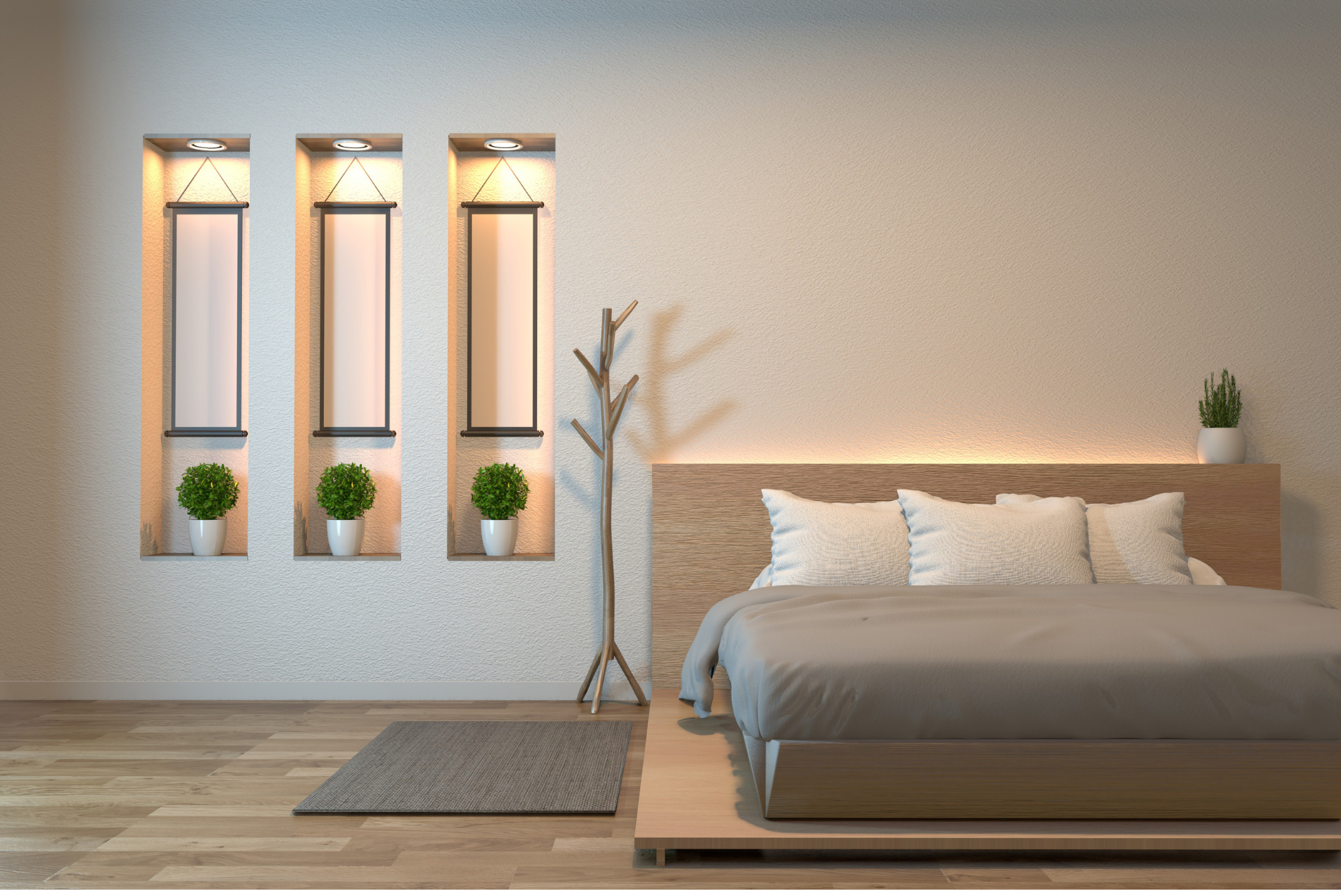
Your master bedroom is more than just a place to sleep—it should be your personal sanctuary. A well-designed master bedroom promotes relaxation, reduces stress, and sets the tone for how you start and end each day. Whether you’re doing a complete overhaul or simply want to refresh your space, here are ten thoughtful, luxurious, and serene design ideas to help you transform your bedroom into the restful retreat you deserve.
- Invest in High-Quality Bedding
The bed is the heart of your bedroom, so invest in bedding that feels indulgent every time you crawl in.
- Opt for soft, breathable fabrics such as 100% cotton, linen, or bamboo.
- Choose a high thread count for a crisp, hotel-like experience.
- Stick to soothing colors like whites, creams, muted blues, grays, or blush pinks—these promote calm and sleep.
- Layer your bed with a plush duvet, cozy throws, and an assortment of pillows for both style and comfort.
- Don’t overlook the mattress and pillows—these are essential for restful, restorative sleep.
High-quality bedding doesn’t just look good—it can improve your sleep quality dramatically.
- Add a Statement Headboard
A headboard can dramatically transform the entire look and feel of your bedroom by adding structure, elegance, and style.
- Upholstered headboards in fabrics like velvet, linen, or leather bring softness and sophistication. Wooden or rattan headboards can offer a more rustic or boho vibe. Choose a headboard with tufting, arches, or detailing if you want a luxurious, boutique hotel feel.
- Match your headboard with your overall design theme—minimalist, classic, coastal, romantic, or contemporary. The headboard anchors the room visually and often becomes the focal point around which all other decor decisions revolve.
- Layer Your Lighting for Ambiance
Lighting is one of the most important yet underrated elements in bedroom design. Aim to create layers of light that can be adjusted according to your mood and time of day.
- Use a central ceiling light like a chandelier or flush mount for general illumination.
- Add bedside table lamps or wall sconces for reading and nighttime routines.
- Incorporate dimmable lighting or smart bulbs so you can easily adjust brightness and color temperature.
- Add LED strip lights under the bed frame or behind furniture for a soft, modern glow.
- Don’t forget the power of candlelight for a warm, cozy, romantic touch.
Lighting should feel inviting and soft—never too harsh or clinical.
- Use Soft Rugs to Add Warmth
Rugs help define your bedroom space and add physical comfort, especially on cold mornings.
- A large area rug under the bed instantly adds luxury, softness, and a grounding effect to the room.
- Consider plush or shag rugs in calming hues or simple patterns.
- If a full-size rug isn’t feasible, place soft runners or bedside mats where your feet land when you get out of bed.
- Natural materials like wool or jute add organic texture, while faux fur or velvet adds richness.
Rugs not only soften the space underfoot but also help absorb sound, making your room quieter and more serene.
- Declutter and Organize Surfaces
Visual clutter can disrupt mental clarity and relaxation. Your master bedroom should feel calm and orderly.
- Keep nightstands, dressers, and shelves tidy by limiting what stays on top.
- Use trays, small bowls, or decorative baskets to organize daily essentials like jewelry, hand cream, or your current book.
- Incorporate storage furniture like ottomans, benches with hidden compartments, or bedside tables with drawers.
- Store off-season items and extra linens in under-bed boxes or fabric bins.
A decluttered space promotes a decluttered mind, which is essential for winding down at night.
- Incorporate Calming Artwork
Art is a deeply personal way to express your style and set the tone of the room.
- Choose artwork that evokes calm—think abstract landscapes, minimalist line art, or soft watercolor prints.
- Avoid overly busy, bold, or aggressive imagery that may disrupt the peaceful ambiance.
- Try a large canvas above the headboard or a small gallery wall over a dresser.
- Framed nature photography, ocean scenes, or subtle geometric patterns can also be effective.
Let the artwork reflect what inspires you while maintaining a cohesive color palette with the rest of the room.
- Add Curtains or Drapes for Comfort and Privacy
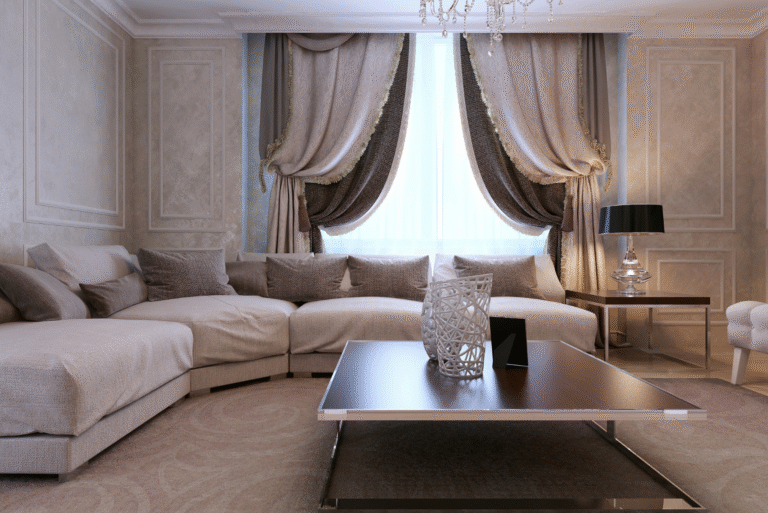
Window treatments do more than block out light—they help control temperature, absorb sound, and complete the overall look of your room.
- Floor-length curtains in heavy fabrics like velvet or blackout panels create a hotel-like, luxurious feel.
- Layering sheer curtains beneath heavier ones lets you control light levels throughout the day.
- Match curtain rods and hardware to the room’s style—brushed brass or matte black add a modern edge.
- Use tiebacks or curtain holdbacks for an elegant, finished touch.
Curtains soften the edges of a room and contribute to its warmth, privacy, and elegance.
- Use Scent to Set a Relaxing Mood
Fragrance has a powerful effect on mood and memory. Introduce calming scents to transform your room into a multisensory retreat.
- Use an essential oil diffuser with lavender, chamomile, sandalwood, or eucalyptus oils to reduce stress and anxiety.
- Scented candles not only smell lovely but also add gentle, ambient light.
- Try linen sprays on your pillow or sheets before bedtime to help your body wind down naturally.
- Potpourri bowls or reed diffusers offer long-lasting fragrance without open flames.
A soothing aroma instantly elevates the atmosphere and helps create a spa-like experience at home.
- Add Personal Touches That Reflect You
Your bedroom should be a reflection of your story, your preferences, and your lifestyle.
- Frame family photos or meaningful memories in beautiful, minimal frames.
- Add a stack of your favorite books, a vintage clock, or a handcrafted vase on your nightstand.
- Display souvenirs from travels or small treasures that make you feel grounded and happy.
- Keep a cozy throw from your grandmother or a painting gifted by a friend to bring emotional warmth into the space. The best-designed bedrooms feel personal and intimate—because they tell your story.
- Keep Technology Minimal for Better Sleep
Technology can be one of the biggest distractions to rest and relaxation in the bedroom. It’s important to create boundaries with electronics.
- Avoid placing a TV or computer in your sleeping area.
- Keep phones, tablets, and chargers out of sight—preferably in another room or at least in a nightstand drawer.
- If you use your phone as an alarm, switch it to night mode or use a traditional alarm clock instead.
- Consider using a Bluetooth speaker to play calming music, white noise, or sleep meditations if sound helps you sleep. Removing tech reduces blue light exposure and helps your brain recognize the bedroom as a place for rest—not activity.
Final Thoughts: Your Bedroom, Your Oasis
Designing a master bedroom should be a mindful process—one that prioritizes your comfort, mental clarity, and emotional well-being. With thoughtful details like plush bedding, layered lighting, calming decor, and personal touches, you can turn even a small bedroom into a luxurious escape.
It’s not about spending a fortune—it’s about creating a space where you feel at ease, at peace, and at home. With the right elements in place, your master bedroom can become your favorite room in the house—a place to retreat, recharge, and dream.