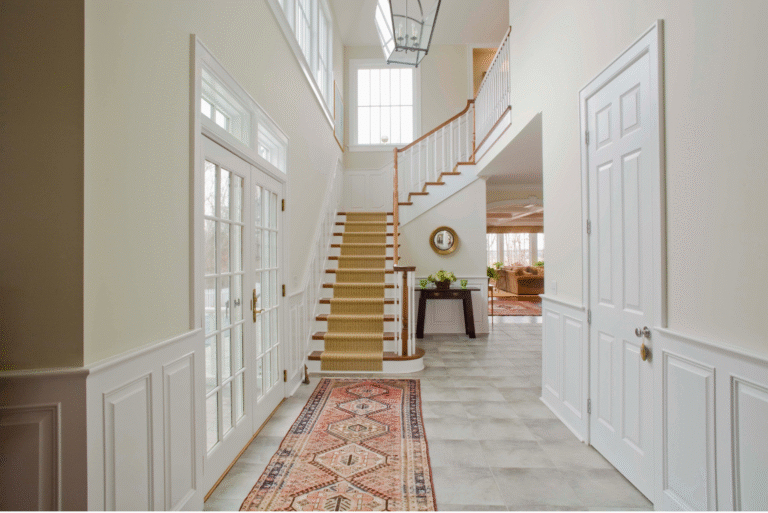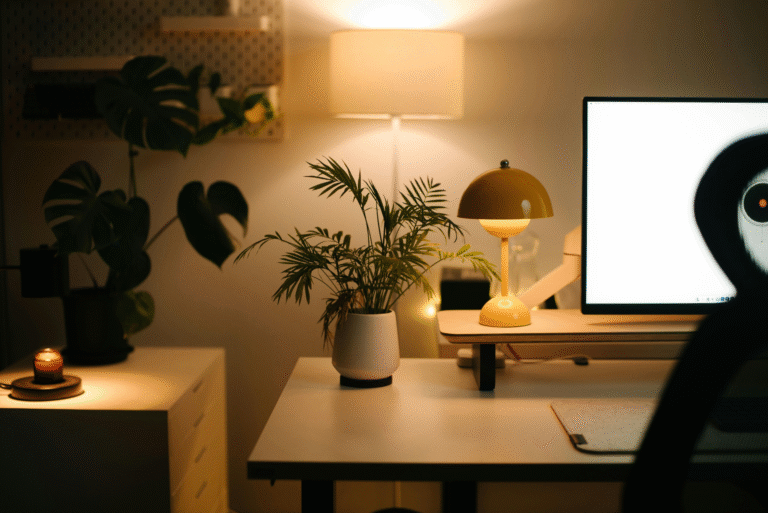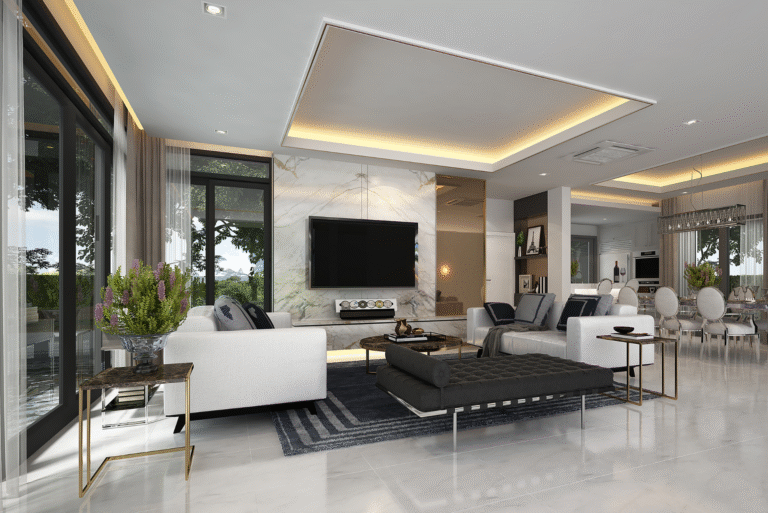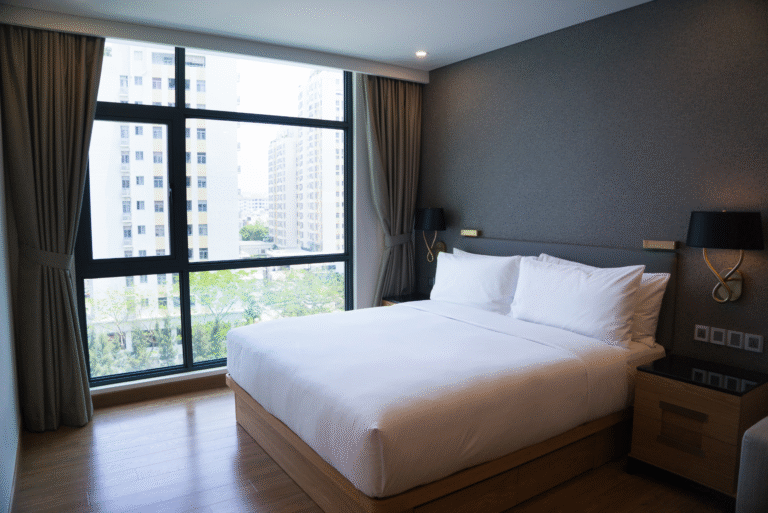
Minimalism isn’t just a passing interior design trend—it’s a thoughtful lifestyle choice. A minimalist home promotes clarity, calmness, and intentional living by focusing on what truly matters. It’s about creating space, both physically and mentally, by eliminating the excess and embracing simplicity. Whether you’re downsizing, decluttering, or simply want to cultivate a more serene environment, adopting minimalist design principles can transform your home into a stylish, functional, and peaceful retreat.
Here are 10 in-depth ideas to help you design a minimalist yet cozy and welcoming space:
- Choose a Neutral Palette
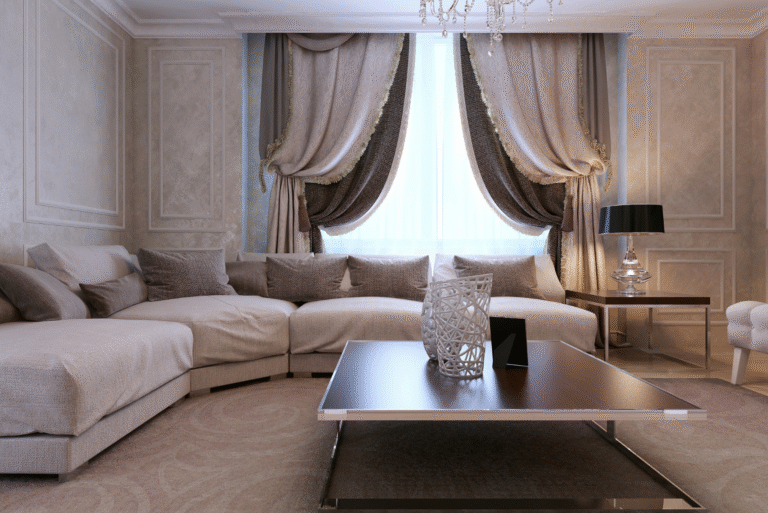
Minimalist interiors are best anchored by soft, subdued colors that soothe the senses. Whites, greys, beiges, taupes, and muted earth tones are the foundation of most minimalist designs. These colors not only make a space feel larger and brighter but also create a sense of unity and calm throughout the home.
- Pro Tip: Use layers of the same color in different textures—such as a linen couch, wool throw, and cotton curtains—to add visual interest without clutter.
- Optional Accent: Introduce a subtle accent color (like sage green or charcoal blue) in small doses for added depth.
- Simplify Your Furniture
Opt for furniture pieces that are clean-lined, functional, and visually lightweight. Every piece should serve a clear purpose— whether it’s for sitting, storing, or supporting.
- Avoid: Oversized, overly decorative, or chunky furniture.
- Opt for: Sleek, modern designs with hidden storage or multipurpose functions (like a bed with drawers or a bench with internal compartments).
Minimalist furniture also leaves space around it, helping the room “breathe.”
- Clear the Clutter
One of the key rules of minimalism is: “If it doesn’t serve a purpose or bring you joy, it’s probably unnecessary.” Countertops, shelves, and tables should be largely clear, with only a few curated items on display.
- Try This: Start small—declutter one room or one drawer at a time.
- Use This Rule: Keep 20% visible, and store the remaining 80% out of sight.
- Hidden Helpers: Incorporate furniture with closed storage like sleek cabinets, ottomans, or side tables with drawers.
- Use Natural Materials
Bring warmth and texture to your minimalist space through organic, natural materials. Wood, rattan, linen, cotton, bamboo, jute, and wool can make a space feel grounded and inviting while maintaining a clean, uncluttered look.
- Example: A light oak dining table paired with linen chairs and a simple wool rug creates a cozy yet pared-down environment.
- Balance: Even in the most modern minimalist settings, natural materials keep the home from feeling sterile.
- Focus on One Focal Point per Room
Rather than crowding a space with multiple competing elements, choose one main focal point to draw attention.
- Ideas for Focal Points:
- A bold artwork above the sofa. o A sculptural light fixture in the dining room.
- A single vibrant armchair in an otherwise neutral bedroom.
This approach helps each room feel balanced and curated, rather than over-decorated.
- Let in the Light
Natural light is the ultimate minimalist accessory. It enhances space, uplifts mood, and highlights your design choices. Let in as much daylight as possible by using lightweight, sheer curtains or skipping window treatments altogether if privacy allows.
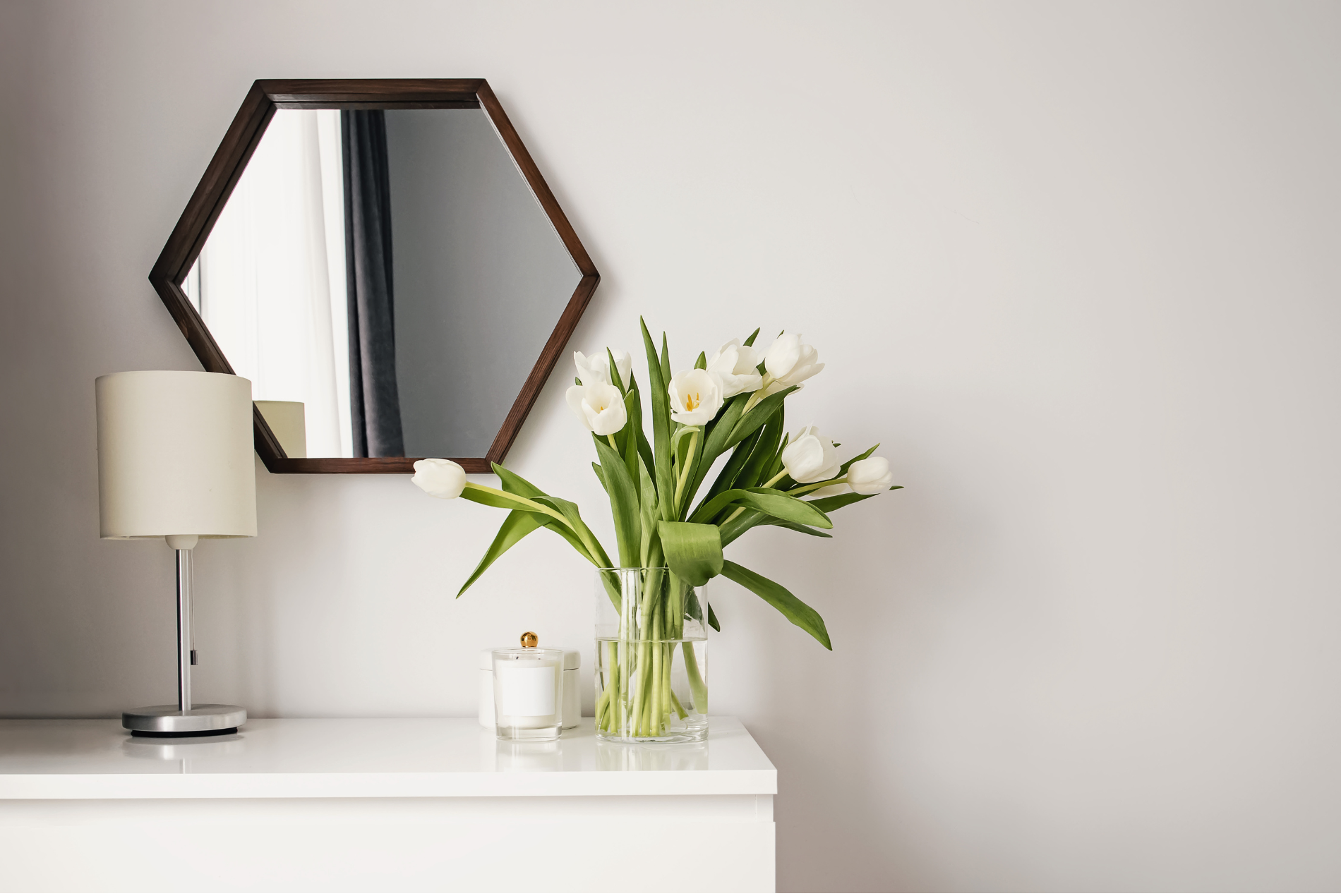
- Use Mirrors: Position mirrors opposite windows to reflect light and visually expand smaller rooms.
- Add Glow: Use simple pendant lights, floor lamps, or LED strips in soft white to keep rooms bright in the evening without overpowering the minimalist vibe.
- Keep Wall Decor Simple
In minimalism, less is more—even on the walls. Avoid cluttered gallery walls, busy prints, or over-accessorizing.
- Do This Instead:
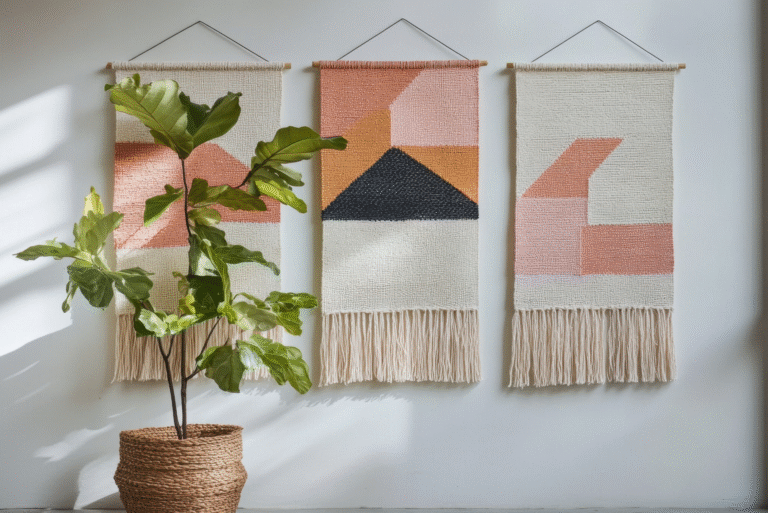
- Choose a single large piece of artwork or photography with clean lines.
- Mount a minimalist clock or sculptural wall decor with purpose.
- Leave some walls bare to let the space itself become part of the design.
This selective decorating approach encourages calm and prevents visual overload.
- Add Greenery
Incorporating plants into your minimalist home is a great way to add color, life, and texture without the visual noise of heavy decor.
- Keep It Simple:
- Choose low-maintenance, easy-care plants like snake plants, ZZ plants, or pothos. o Use simple pots in neutral colors to maintain a cohesive look.
- One large plant in a room often has more impact than several small ones scattered around.
Plants also improve air quality and boost your sense of well-being—a true win-win.
- Embrace Empty Space
Negative space—also known as “white space”—is a vital part of minimalist design. Don’t feel pressured to fill every corner, shelf, or wall. Empty areas give the eyes a place to rest and highlight the few items you choose to display.
- Design Tip: Consider what you can remove from a room rather than what you can add.
- Let rooms breathe: It’s perfectly fine (and even desirable) for a wall or corner to have nothing at all.
Remember, minimalism values purpose over decoration.
- Stay Consistent
To tie the minimalist look together throughout your home, maintain a cohesive style and palette in all rooms.
- Unify your materials, colors, and shapes.
- For example, use the same style of hardware, light fixtures, or flooring throughout your home.
- This doesn’t mean everything must match perfectly—but it should feel intentional and harmonious.
Consistency helps reinforce the calm, organized feeling that minimalist homes are known for.
Final Thoughts:
Creating a minimalist home doesn’t mean sacrificing personality or warmth—it’s about choosing intentionally, editing thoughtfully, and living with purpose. With these tips, you can design a home that is not only beautiful and clutter-free but also a true reflection of what matters most to you.